
Introduction
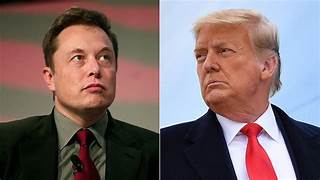
President-elect Donald Trump has appointed Elon Musk and Vivek Ramaswamy to lead an ambitious government efficiency panel aimed at drastically reducing federal regulations and bureaucracy. The duo plans to leverage recent Supreme Court decisions to fundamentally reshape the federal government’s regulatory power, promising significant structural changes to how agencies operate.
The Reform Strategy
Supreme Court Foundation
- 2022 “Major Questions” doctrine ruling
- June 2024 agency deference decision
- Legal precedent for limiting agency power
- Focus on Congressional authorization
Targeted Changes
- $500 billion in spending reductions
- Federal workforce restructuring
- Regulation enforcement pause
- Agency power limitations
Key Reform Areas
Spending Cuts
- $535 million from Corporation for Public Broadcasting
- $1.5 billion from international organizations
- $300 million from specific program grants
- Unauthorized expenditure elimination
Workforce Changes
- Five-day in-office requirement
- “High IQ” employee focus
- Weekly livestream updates
- Staff reduction through attrition
Legal Framework
Supreme Court Precedents
- Limitation of agency authority
- Requirement for explicit Congressional approval
- Reduced deference to agency interpretations
- New regulatory oversight standards
Implementation Challenges
- Legal process requirements
- Private enforcement mechanisms
- Staffing transition issues
- Regulatory complexity
Looking Ahead
Timeline and Goals
- Initial reports forthcoming
- Final report due July 4, 2026
- Immediate executive actions planned
- Partnership with transition team
The Musk-Ramaswamy panel represents an unprecedented attempt to reshape federal government operations using recent Supreme Court decisions as leverage. While the plan faces significant legal and practical challenges, its backing by the incoming administration and the current Supreme Court’s conservative majority could enable substantial changes to how federal agencies operate and regulate.