

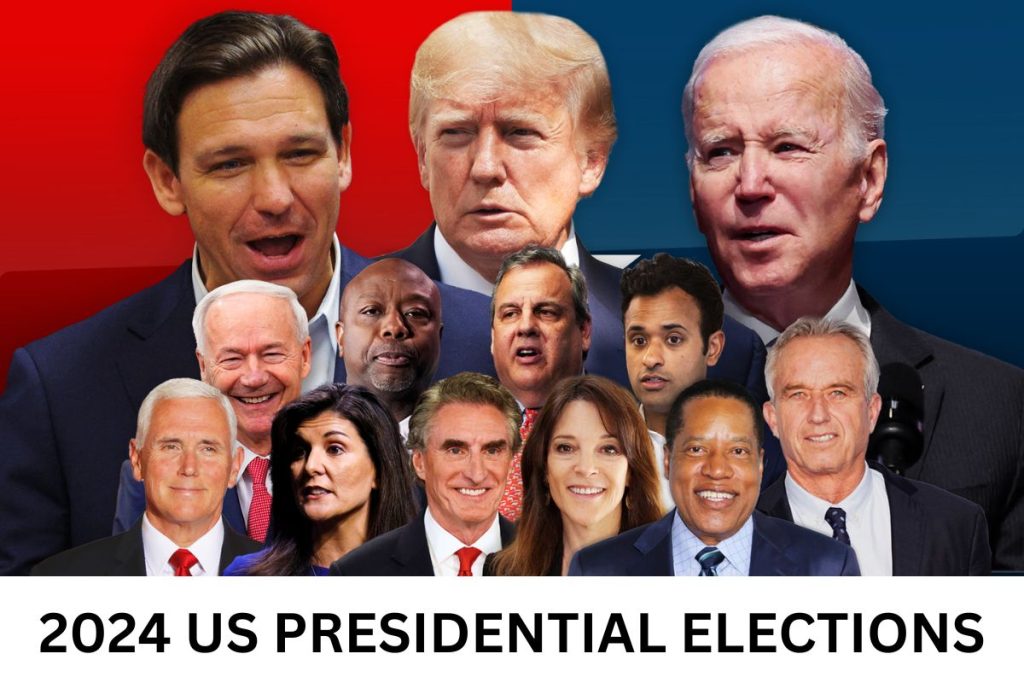
The 2024 Presidential Election contest between Donald Trump and Kamala Harris represents a critical juncture for both domestic and international economic policy. This comprehensive analysis examines the divergent paths ahead under each potential administration and their implications for various sectors and global relationships.
Economic Policy Divergence
Macroeconomic Outlook
- Trump Presidency Scenario
- Weaker economic growth
- Higher inflation rates
- Wider fiscal deficit
- Stronger US dollar
- Less predictable interest rate path
- Harris Presidency Scenario
- Steadier economic growth
- Lower inflation trajectory
- Narrower fiscal deficit
- More predictable monetary policy
- Measured dollar strength
Key Policy Areas
Trade Policy
- Harris Administration
- Maintained protectionist stance
- China-focused restrictions
- Multilateral approach
- Strategic partnerships
- Trump Administration
- Broader tariff implementation
- Global trade restrictions
- Unilateral actions
- Higher consumer prices
Immigration Policy
- Harris Approach
- Enhanced legal pathways
- Selective restrictions
- Labor market stability
- Controlled migration flow
- Trump Approach
- Comprehensive restrictions
- Reduced immigration
- Labor market disruption
- Upward wage pressure
Sector-Specific Impacts
Energy Sector
- Harris Policy
- Renewable energy focus
- Emission reduction targets
- Clean energy investment
- Environmental regulation
- Trump Policy
- Fossil fuel promotion
- Reduced environmental regulation
- Limited renewable support
- Domestic production focus
Technology Industry
- Harris Approach
- Increased oversight
- AI regulation
- Competition enforcement
- Innovation support
- Trump Approach
- Reduced regulation
- Immigration challenges
- Limited oversight
- Market-driven development
International Relations
Global Partnerships
- Harris Administration
- Strengthened alliances
- Multilateral engagement
- Climate cooperation
- Development assistance
- Trump Administration
- Bilateral focus
- Alliance reassessment
- Climate withdrawal
- Transactional relationships
Regional Impact
Asia
- Alliance stability variations
- Supply chain scrutiny
- Currency implications
- Trade relationship changes
Africa
- Resource access focus
- Development priorities
- Strategic partnerships
- Regional integration
Financial Markets
Market Implications
- Currency Markets
- Dollar strength variations
- Exchange rate volatility
- Trade impact
- Investment flows
- Sector Performance
- Industry-specific effects
- Regulatory impact
- Market sentiment
- Investment patterns
Future Outlook
Key Considerations
- Economic Factors
- Growth trajectory
- Inflation management
- Fiscal policy
- Monetary policy
- Policy Implementation
- Congressional dynamics
- Executive actions
- Regulatory changes
- International cooperation
The 2024 election presents distinctly different approaches to economic and international policy, with significant implications for global markets, trade relationships, and sector-specific outcomes. Understanding these potential divergences is crucial for businesses and policymakers planning for either scenario.