

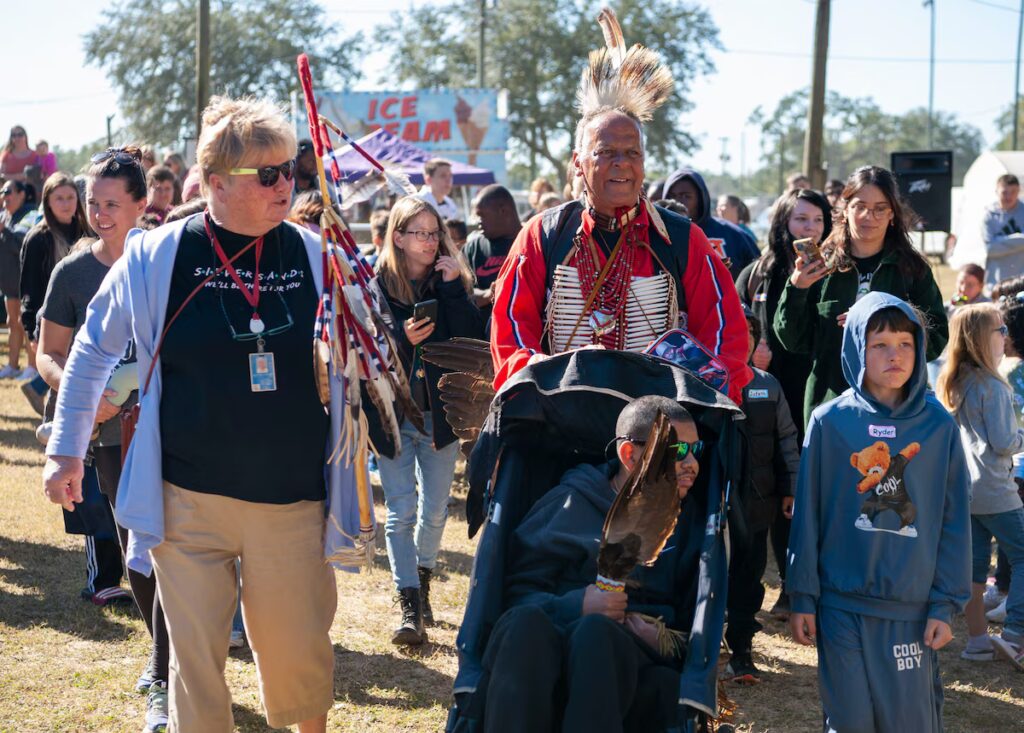
As the Department of Defense commemorates Native American Heritage Month, Deputy Defense Secretary Kathleen Hicks has highlighted the profound impact of Indigenous peoples on American national security. From the Revolutionary War to modern conflicts, Native Americans have demonstrated an unwavering commitment to defending the nation, with the Oneida Nation’s crucial support of the Continental Army standing as a defining moment in American history.
The Revolutionary Alliance
Oneida Nation’s Critical Decision
- Formed alliance with George Washington
- Defended American independence
- Risked tribal sovereignty
- Broke from Iroquois Confederacy
Military Contributions
- Battle of Oriskany (August 1777)
- Fort Schuyler defense
- Intelligence gathering
- Scouting and patrol operations
Valley Forge: A Turning Point
Survival Support
- Delivered crucial food supplies
- Provided medical assistance
- Taught survival skills
- Maintained winter patrols
Polly Cooper’s Legacy
- Expert medical care
- Food preparation instruction
- Extended service without compensation
- Recognition by Martha Washington
Ongoing Military Service
Medal of Honor Recipients
- Jack Montgomery
- Ernest Childers
- Pappy Boyington
- Woodrow Keeble
Native American Modern Contributions
- Continued military service
- Defense leadership roles
- Technical expertise
- Cultural knowledge integration
The Cost of Loyalty
Sacrifices Made
- Villages destroyed
- Internal tribal conflicts
- Territorial losses
- Social disruption
Historical Impact
- Congressional recognition
- Lasting military alliance
- Cultural preservation
- Ongoing tribal relationships
The Oneida Nation’s crucial support during America’s fight for independence exemplifies the profound impact Native Americans have had on national security throughout U.S. history. As we celebrate Native American Heritage Month, their legacy reminds us that America’s strength lies in its diversity and the unwavering commitment of all its peoples to defend freedom and democracy.